Tree Care Resources
Willamette Valley Tree Care Resource
Welcome to Willamette Valley Tree Care Resource by Corvallis Tree Care — your go-to destination for expert tree care advice, best practices, and local resources. Our mission is to support homeowners, professionals, and enthusiasts throughout Corvallis and the Willamette Valley with trustworthy guidance on maintaining healthy, beautiful trees.
POPULAR TOPICS:
What is an ISA-CERTIFIED Arborist?
READ MORETrees are living, complex systems, and caring for them safely requires more expertise than most homeowners realize. An ISA-Certified Arborist is a tree care professional who has earned certification through the International Society of Arboriculture (ISA), demonstrating advanced knowledge in tree biology, pruning, safety, risk assessment, and long-term tree health.
What Is a TRAQ-Qualified Expert and Why It Matters?
READ MOREA TRAQ-Qualified Arborist is a tree care professional who has earned the Tree Risk Assessment Qualification (TRAQ), one of the highest credentials offered by the International Society of Arboriculture (ISA). This qualification ensures the arborist has advanced training in evaluating tree stability, identifying potential hazards, and determining the likelihood of structural failure—especially important in regions like Corvallis that experience heavy winter storms and saturated soil conditions.
How Tree Risk Assessments Work (And When You Need One)
READ MOREA Tree Risk Assessment is a structured, science-based evaluation performed by a trained arborist to determine the likelihood of a tree or limb failing and the potential consequences if it does. The goal is simple: protect people, property, and the long-term health of your trees.
Signs Your Tree May Be Hazardous (Homeowner’s Guide)
READ MORETrees add beauty, shade, and value to your property—but they can also pose safety risks when they weaken or become structurally compromised. Many hazardous tree conditions develop gradually, while others appear suddenly after storms, soil saturation, or seasonal changes.
Professional Pruning vs. DIY — Why Expert Tree Care Matters
READ MORETree pruning may seem simple—but it’s one of the most misunderstood and easily mishandled aspects of tree care. Homeowners often attempt DIY pruning to save time or money, only to accidentally cause long-term damage, increased risk, or unnecessary stress to their trees.
Tree Preservation vs. Tree Removal — How Arborists Decide
READ MOREOne of the most important decisions a homeowner can make is whether to preserve a tree or remove it. Trees offer beauty, shade, and value—but when they become hazardous or structurally compromised, they may pose risks to people and property.
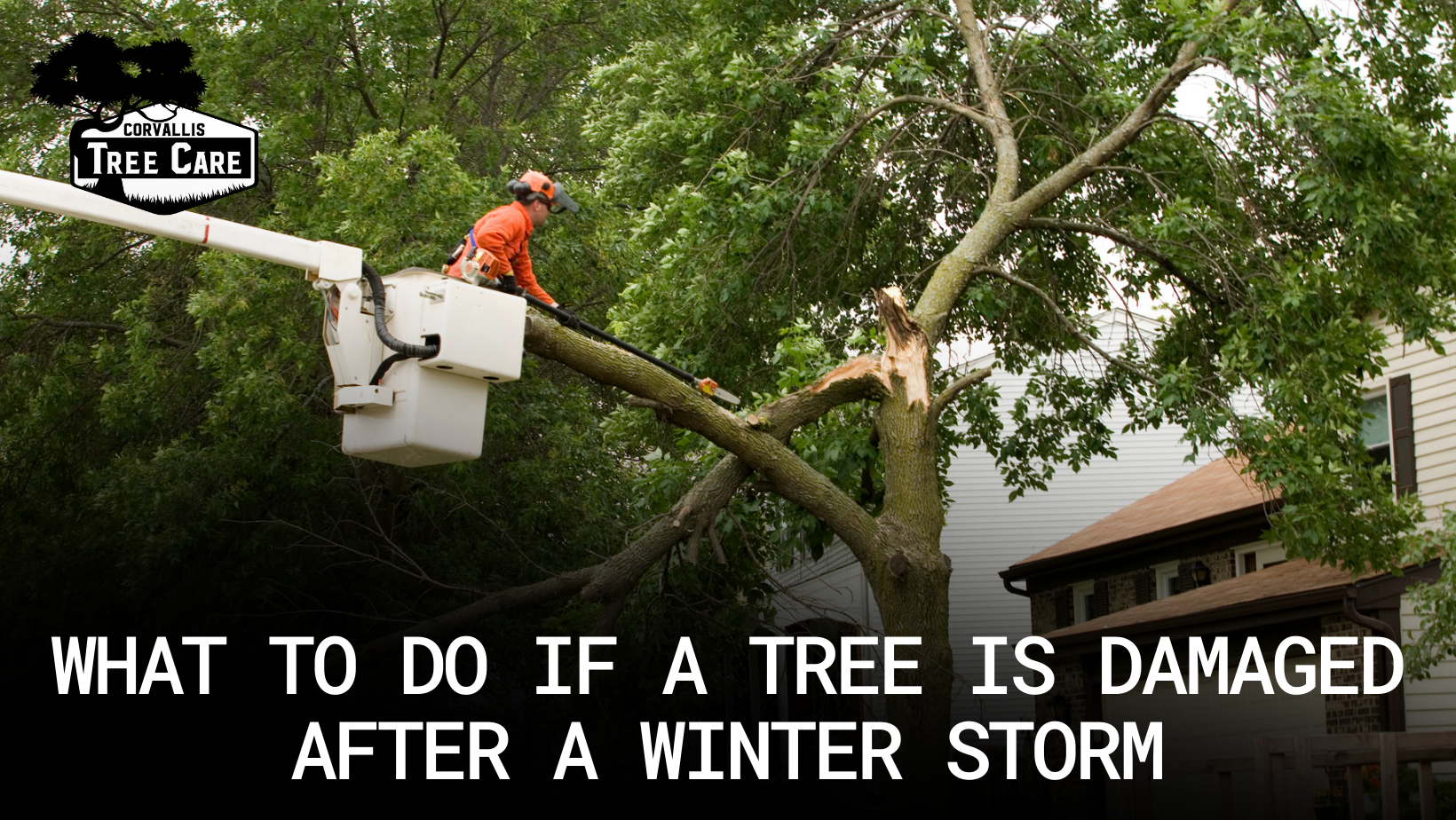
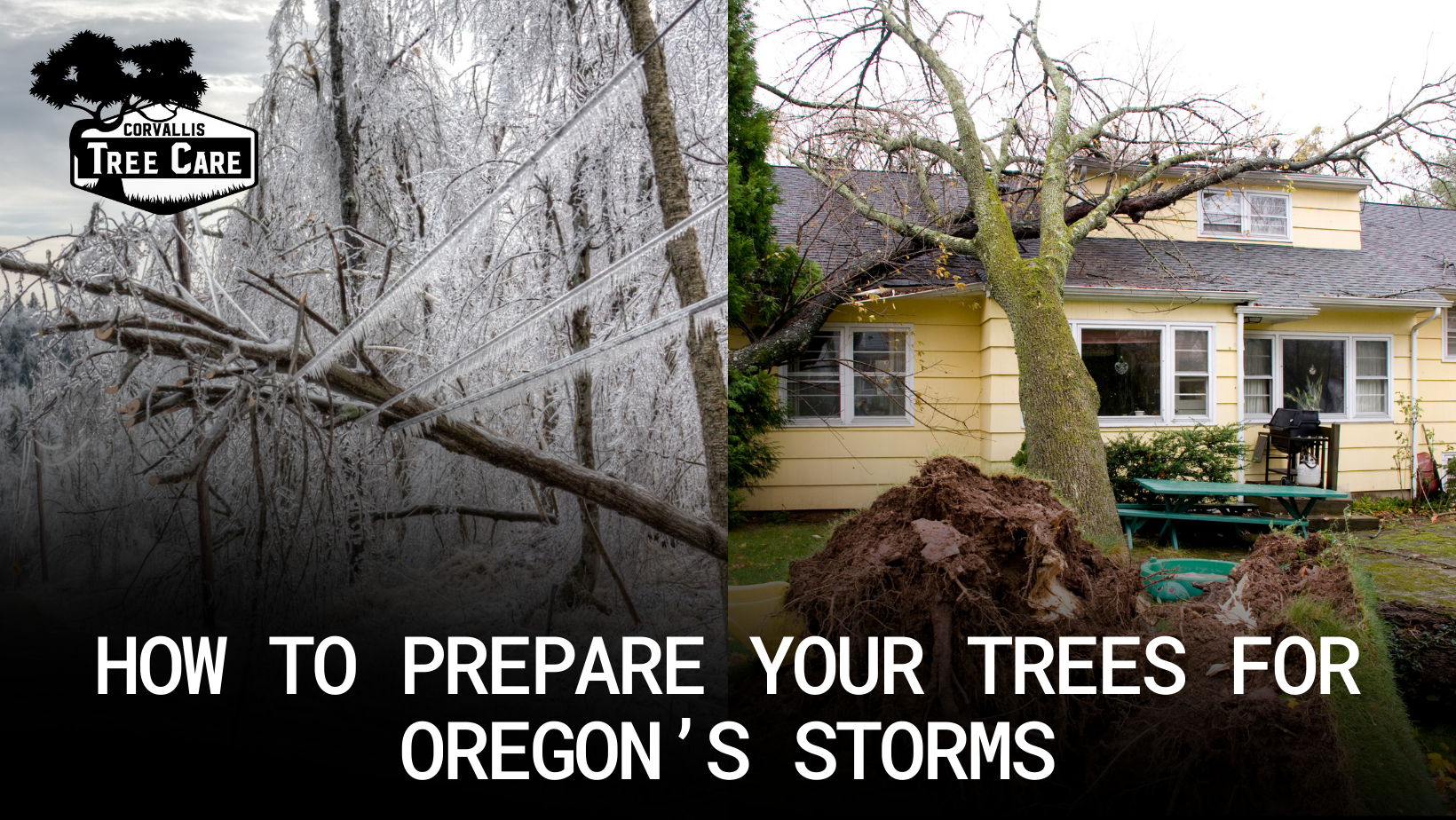
How Storms Affect Trees in the Willamette Valley
READ MOREThe Willamette Valley’s weather patterns—heavy winter rain, saturated soils, high winds, and occasional snow or ice—create conditions that can significantly affect the stability and health of trees. While these natural events are common, they often leave homeowners unsure whether a tree is safe, damaged, or at risk of failure.
Common Tree Diseases in the Willamette Valley (Identification & Prevention Guide)
READ MOREThe Willamette Valley’s unique climate—mild temperatures, high humidity, and long rainy seasons—creates ideal conditions for a variety of tree diseases. Some are cosmetic, while others can weaken structural integrity, shorten a tree’s lifespan, or lead to hazardous failures if left untreated.
The Difference Between Cabling, Bracing & Propping (And When Each Is Needed)
READ MORENot all tree support systems are the same. When a tree has weak limbs, structural defects, or storm-related damage, certified arborists use specialized methods to improve stability. The three most common support techniques are cabling, bracing, and propping.
While each method reinforces the tree in a different way, they all share one goal: reducing the likelihood of failure while preserving valuable trees whenever possible.
When Should a Tree Be Removed?
READ MOREKnowing when a tree should be removed is essential for the safety and beauty of your Corvallis property. Whether a tree is dead, diseased, leaning dangerously, or has suffered storm damage, recognizing the signs early can prevent accidents and costly repairs. At Corvallis Tree Care, our certified arborists offer expert assessments and safe tree removal services, including emergency responses and guidance on permits and costs, ensuring your home and landscape stay protected year-round.
Signs Your Tree Needs Trimming
READ MOREIs your tree looking a little wild or not blooming as it used to? Knowing the signs your tree needs trimming isn’t just about curb appeal—it’s about keeping your home safe and your trees healthy. From overgrown branches to thinning canopies, a few simple clues can mean the difference between a thriving tree and a costly problem. Read on to discover what to watch for and how the right tree trimming in Corvallis can make all the difference.
Tree Removal Cost Guide in Corvallis, OR (2026)
READ MORELearn what affects tree removal costs in Corvallis, Oregon, including tree size, location, accessibility, emergency services, and stump grinding. This guide provides helpful insights from certified arborists to help homeowners understand pricing and make informed tree care decisions.