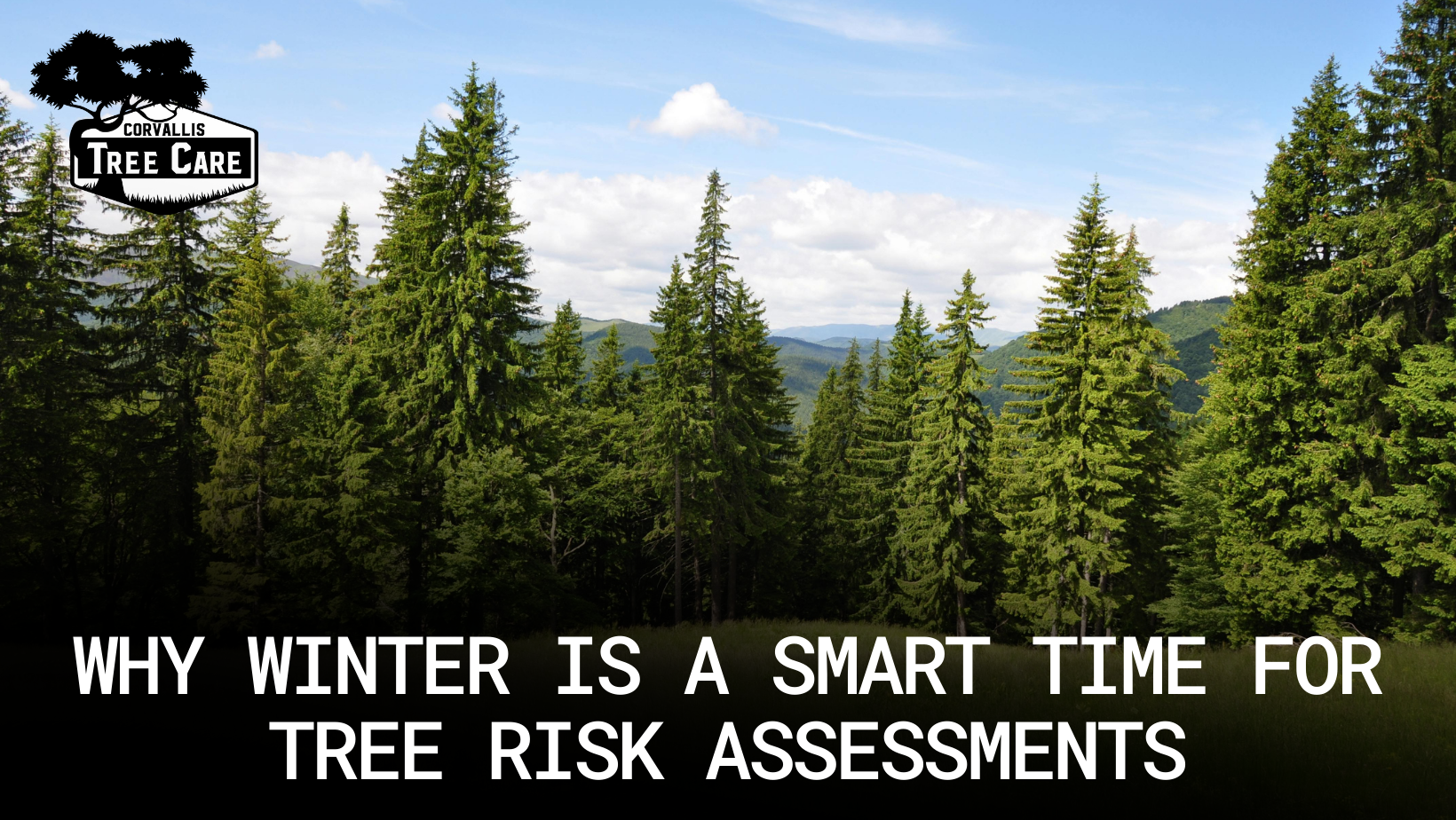
Why Winter is a Smart Time for Tree Risk Assessments
Quick Summary:
- Winter is the best time for tree risk assessments in Oregon because bare trees allow arborists to spot hazards that leaves often hide during warmer seasons.
- High winds and heavy rain in Oregon can cause branches to fall, lean, or be uprooted— even if storm damage isn’t immediately visible—making regular inspections crucial for safety.
- TRAQ-qualified arborists have specialized International Society of Arboriculture (ISA) credentials, ensuring thorough, standardized risk assessments for your property.
- Winter tree inspections by Corvallis Tree Care include identifying at-risk trees, recommending pruning, cabling, or bracing to prevent property damage or injury.
- Choosing an ISA-certified, TRAQ-qualified arborist guarantees expert service and peace of mind during Oregon’s storm season.
- Book your winter tree risk assessment with Corvallis Tree Care to protect your home, family, and neighbors before stormy weather hits.

Why Winter is a Smart Time for Tree Risk Assessments
The first step to preventing storm damage from trees is having them regularly inspected. A TRAQ-qualified arborist in Oregon can alert you to hazards your trees might be creating before it’s too late. No matter where on your property your trees are planted, your home and safety depend on their ability to withstand a storm.
If you haven’t kept up with your routine tree maintenance, you might be wondering when you should do it. At Corvallis Tree Care, we believe winter is the best time to call us. Today, you’ll learn why.
How Storms Affect Trees in the MId-WIllamette Valley, Oregon
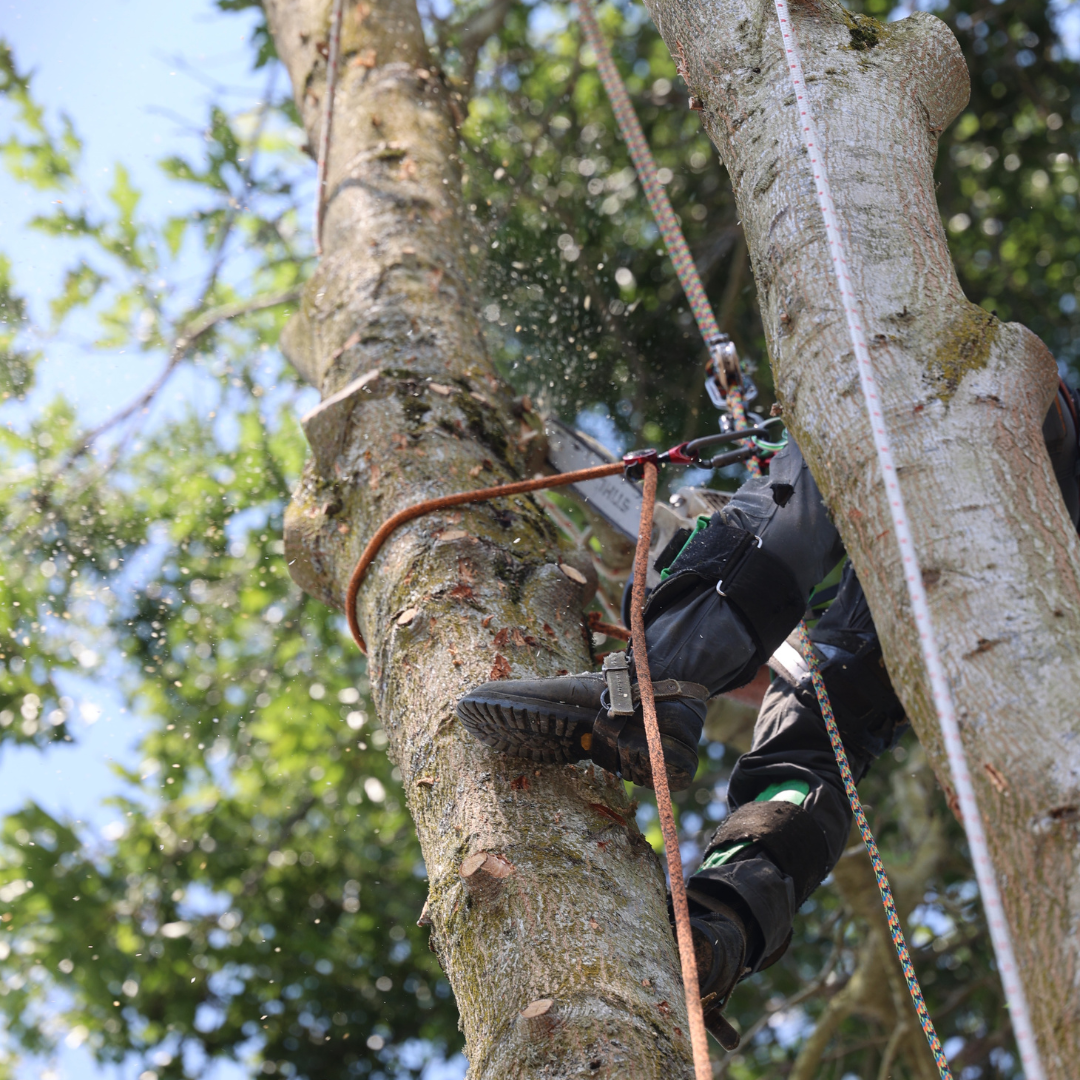
When we perform a tree risk assessment in the mid-Willamette Valley, Oregon, we look for issues that increase the likelihood of property damage during a storm. More importantly, we detect safety risks to your neighbors and family. To understand what’s considered a risk factor, you’ll first need to learn how Oregon’s storms can impact your trees.
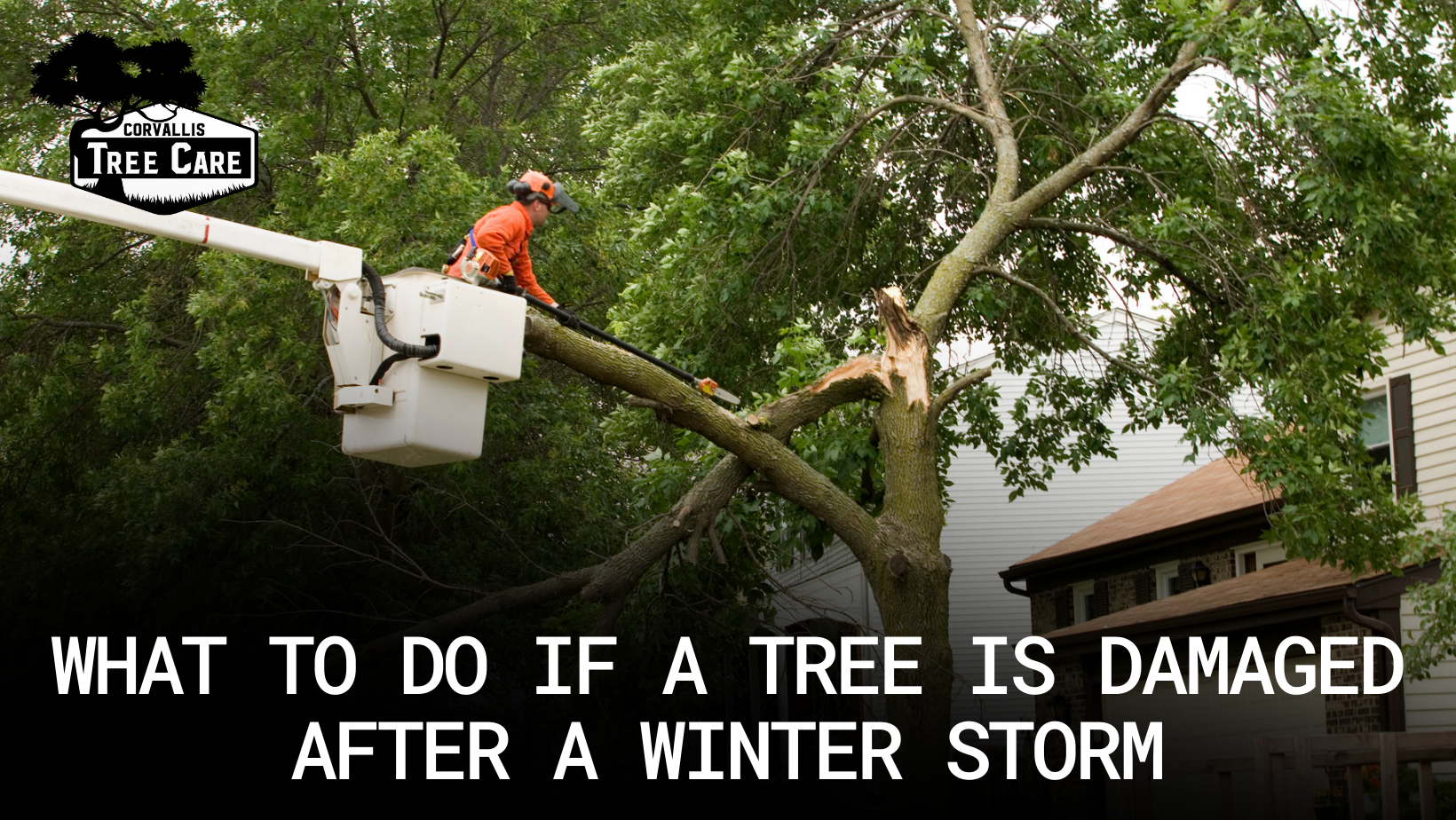
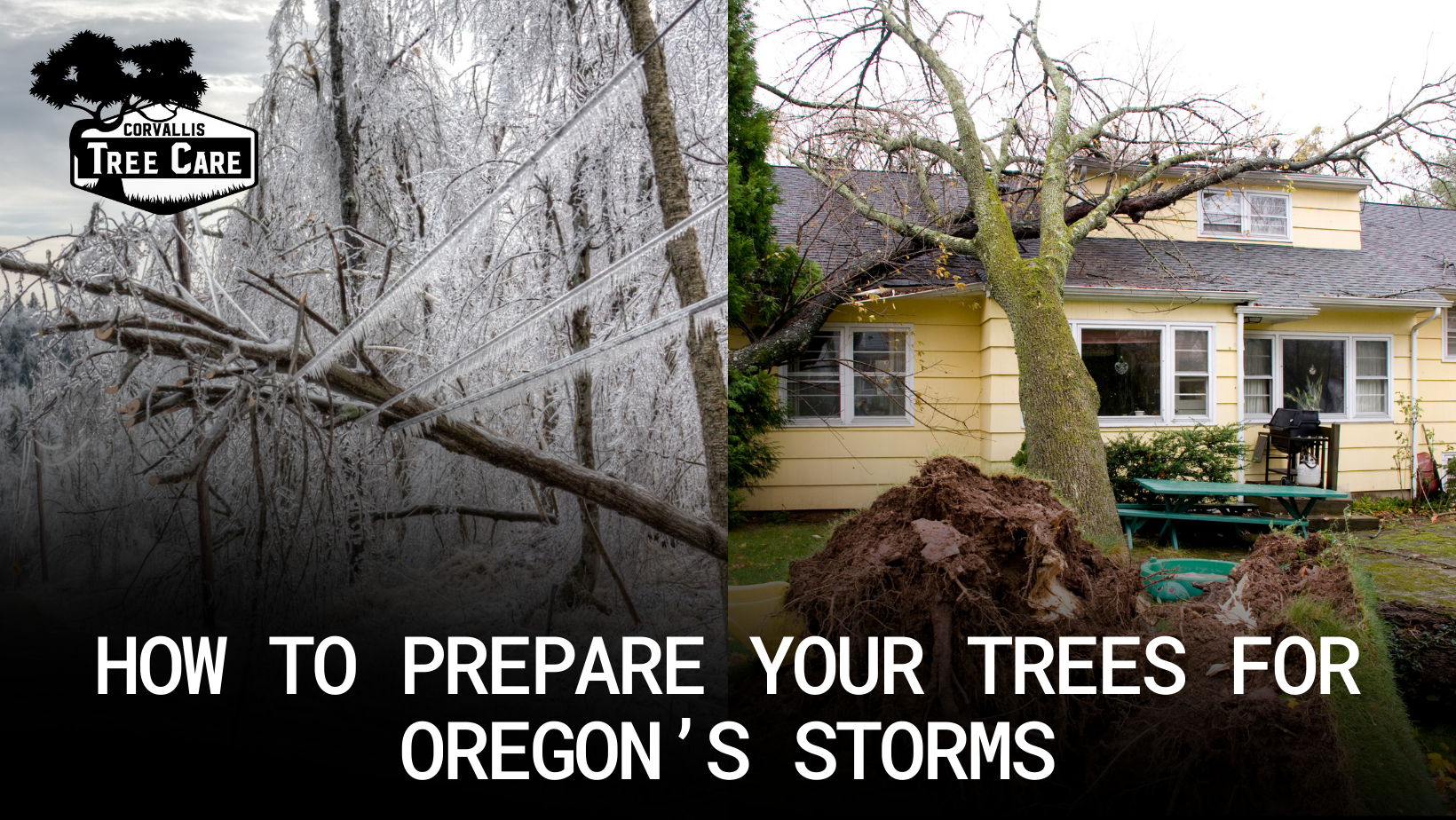
While the mid-Willamette Valley is known for its mild weather, we still experience high winds. When a storm blows through the valley, tree canopies experience extra stress, resulting in falling branches. Dense or unpruned canopies are especially at risk. Once a storm passes, don’t assume your trees were unaffected if nothing dramatic happened. Branches can fall due to storm damage later on. Unsettling, isn’t it?
Extended or heavy rain can also pose a problem. During a rainstorm, soil can become oversaturated. Waterlogged soil can’t support your trees as well as it normally would, leading to leaning and uprooting.
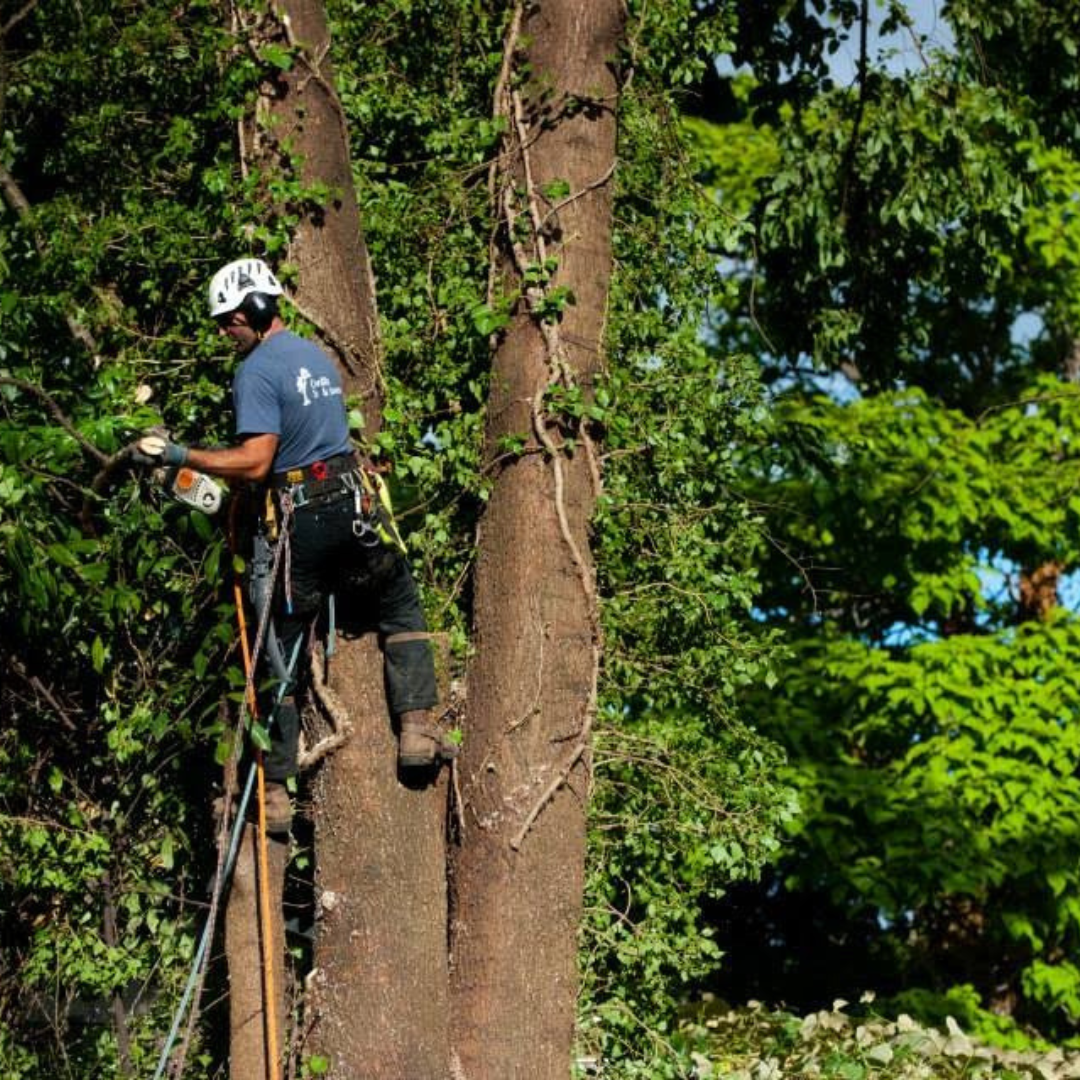
Winter tree inspections give arborists the best chance of spotting potential issues. The reason for that is simple: the trees are bare. During warmer seasons, leaves can obstruct our view of tree branches, making them harder to inspect. Without leaves getting in the way, hazards can’t hide from us.
During a storm readiness assessment, we’ll inspect your property looking for at-risk trees. We’ll then recommend remedies to any hazards we find. These can include pruning trees with vulnerable branches and cabling or bracing weak trees, if needed. Without these essential fixes, your trees could threaten your home, commercial building, or even your life. A tree risk assessment is not something you can safely skip.
What is a TRAQ-Qualified Arborist?
TRAQ (Tree Risk Assessment Qualification) is an International Society of Arboriculture (ISA) credential given to arborists after they learn a standardized process for performing inspections. To become TRAQ-qualified, they must complete a training program and pass tests based on what they learned. The assessments are both written and hands-on, ensuring that anyone who receives this qualification truly knows what they’re doing.
Not everyone is eligible to become TRAQ-qualified. An arborist can enroll in the program if they’re ISA-certified or if they have a state arboriculture license, national arboriculture certificate, or a relevant degree.
Ensure you’re paying for top-tier services by choosing a TRAQ-qualified arborist for your winter tree risk assessment. Corvallis Tree Care’s team has this qualification, making us one of the best options in town.
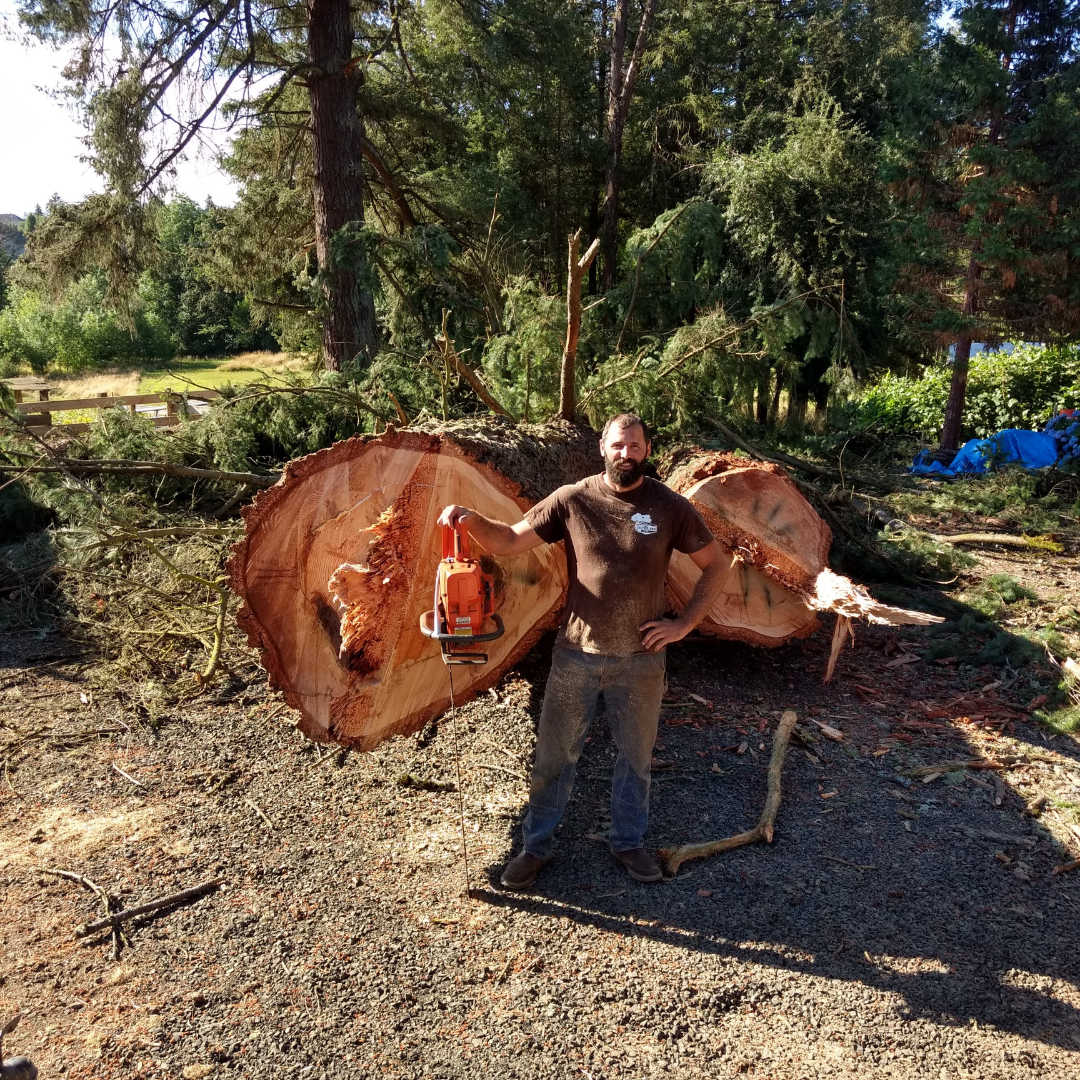
When winter rolls around, you should be thinking about your next tree risk assessment. Corvallis Tree Care will leave you feeling confident that your trees are well-protected when the weather gets stormier. Call us today to book your tree risk assessment, or keep us in mind when inspection season begins!
COMMON FAQS
Why is winter the best time for tree risk assessments in Oregon?
Winter is ideal for tree risk assessments because trees are bare, making it easier for arborists to inspect branches and spot hidden hazards that leaves can conceal during other seasons.
What storm risks can trees pose to my home or property in Oregon?
Oregon storms can cause high winds and heavy rain, leading to falling branches, leaning, or uprooted trees. Even if immediate damage isn’t visible, weakened trees can still pose a risk after a storm.
What does a winter tree risk assessment include?
EMERGENCY TREE SERVICESA winter tree risk assessment includes a thorough inspection of your property’s trees, identification of at-risk trees, and recommendations such as pruning, cabling, or bracing to prevent damage and ensure safety.
What is a TRAQ-qualified arborist and why should I hire one?
A TRAQ-qualified arborist holds a Tree Risk Assessment Qualification from the International Society of Arboriculture (ISA), demonstrating specialized training and expertise in spotting and mitigating tree hazards.
How can I book a tree risk assessment with a certified arborist in Oregon?
GET A FREE ASSESSMENTYou can book a winter tree risk assessment with Corvallis Tree Care by calling their team or clicking below, ensuring your trees are storm-ready and your property is protected.